
This course gives students a unique insight into a part of local history and life in the province that, for many, has remained hidden or untold—and which is also an important story today.
Why should the museum come to the school and talk about queer life in the provinces?
Museum Vestfyn is a cultural history museum that brings the past to life. Perhaps we can understand ourselves better today if we know more about how other people have lived?
These days, there’s a lot of talk about the ability to be oneself. Is this something unique to the present, or has it also been a point of concern for people throughout history? Can we draw on history in a way that’s relevant to us today? The latest figures (VIVE) show that 13.3% of young people between the ages of 15 and 25 are LGBT+ individuals, and far too many of them face significant challenges in their lives as young people. The rate of dropouts from secondary education is twice as high among LGBT+ individuals as among non-LGBT+ individuals.
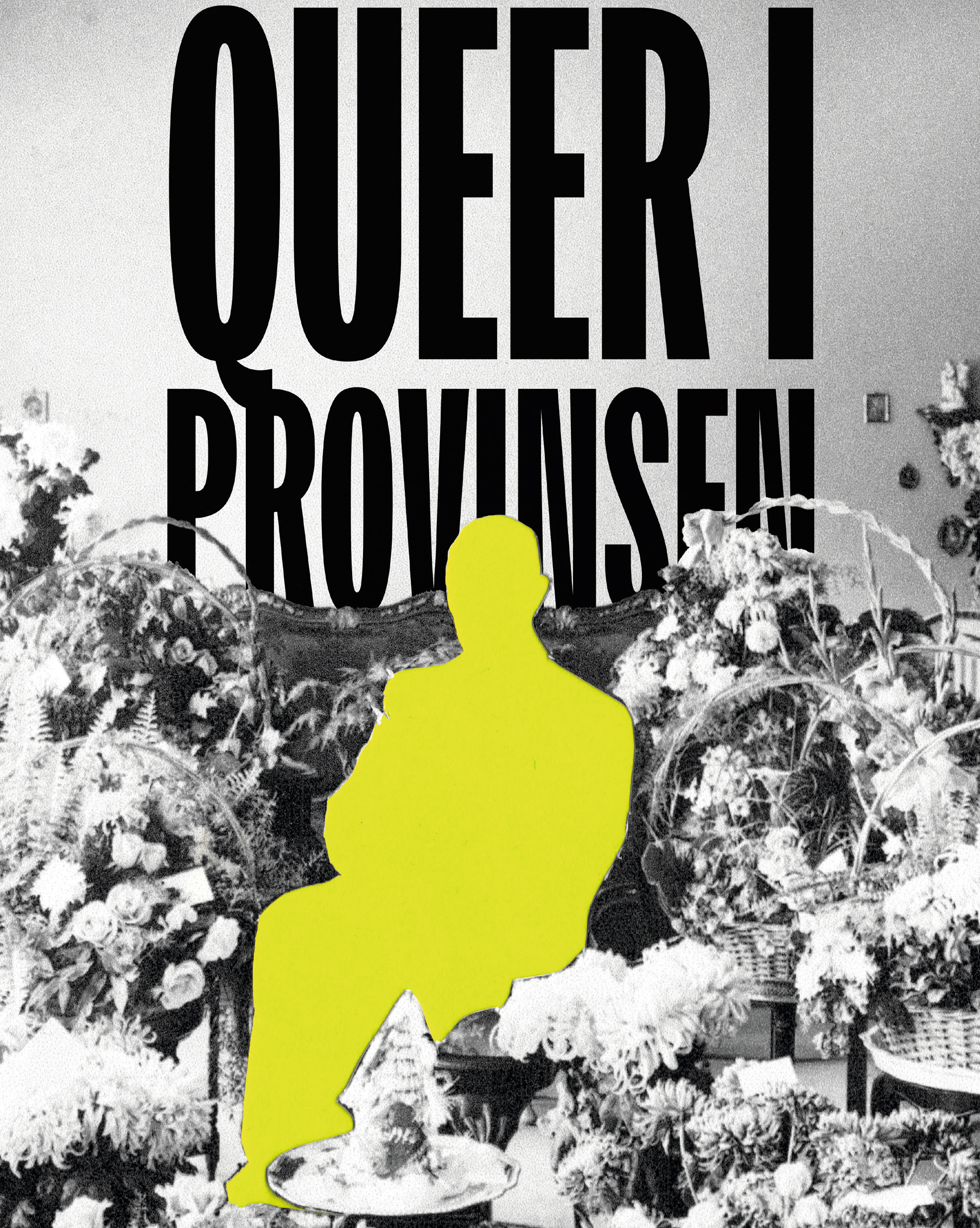
By gaining insight into how silversmith Frederik Ernst lived his life as a gay man in a society where homosexuality was, for a time, considered a crime, and for a long time was considered a treatable mental illness, both LGBT+ and non-LGBT+ people can gain a better understanding of the lives of others when their own lives and practices diverge somewhat from the expectations of those around them and from the ways in which the world is generally understood.
Definition: Queer
"Queer" can be understood as an umbrella term that encompasses people and practices that challenge heterosexual and cisgender norms. In other words, it refers to a position or practice that differs from the norm prevailing at a given point in history.
WHERE: at the school. However, we encourage a follow-up visit to the ERNST Museum by appointment.
WHEN: by appointment
DURATION: 45–60 minutes.
CONTACT: skoletjeneste@museumvestfyn.dk
Contact
To register or for more information, contact skoletjeneste@museumvestfyn.dk